



About Tea
Our Tea Tree
Growing Condition
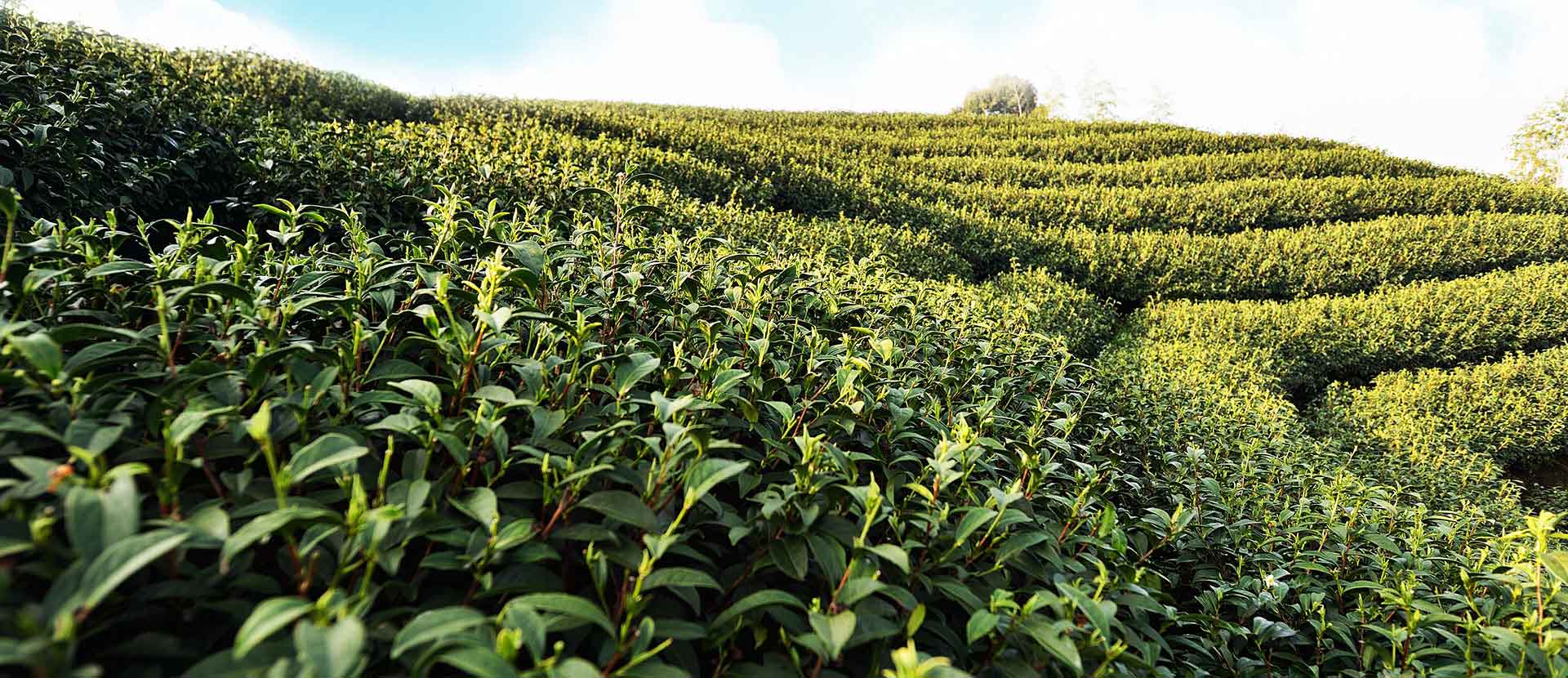
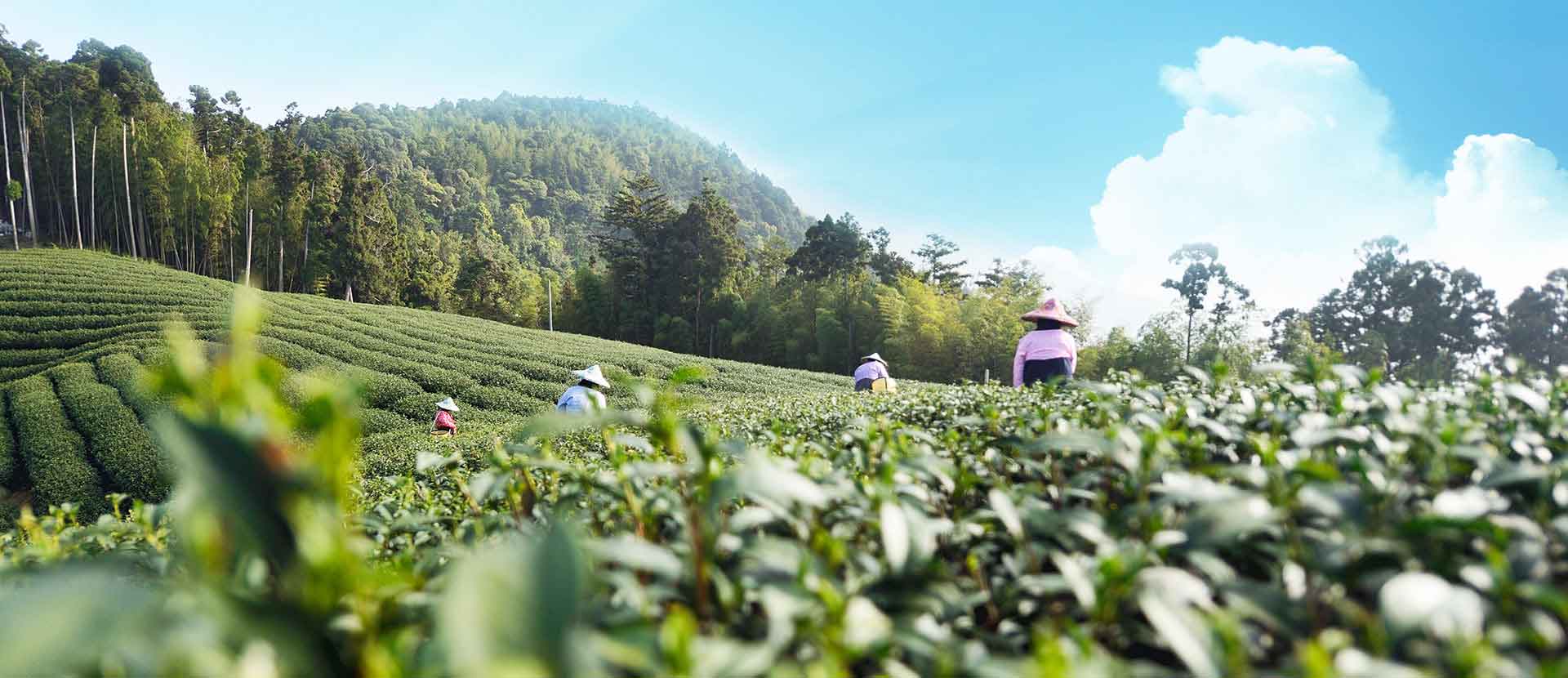
Chatime’s tea is famed in the central mountains of Taiwan’s Nantou County. Tea trees are grown symmetrically on the hills and irrigated with natural rainwater. The hill slopes allow rainfall to be evenly distributed across the entire tea terrace, while also slanting direct sunlight away from the trees — this prevents the tea leaves from becoming overexposed to the sun, which can lead to a bland taste. Significant day-night temperature differences in the area also help to produce the best quality and yield of tea leaves.
Our Tea Farm
Sustainable Management
We are committed to doing our part for the sustainable development of our planet. For us, the first step towards sustainability is implementing natural farming practices, allowing nature to take its course and promoting biodiversity and ecological balance.
Our Tea Lab
All things tea
Our Tea Masters are tea agronomists and top-notch global tea experts with over 20 years of industry experience on average. They work tirelessly to ensure that every batch of tea meets the highest quality standards before distribution to Chatime breweries worldwide. From tea trees on the farm to sampling in the lab, a dedication to quality is what makes Chatime tea a cut (cup!) above the rest.
Tea Tasting
Standardized Tea Cupping Procedures to evaluate the quality and
characteristics of the tea. Strict controls of the brewing temperature and
brewing times bring out the best in various tea types.
Step 1
Selection
Selecting full-shaped dry tea leaves with shiny bold dark green colors for the best brew.
Step 2
Appearance
Ensure the brewed tea has a bright, sparkling color and is free of impurities after steeping.
Step 3
Aroma
Assess the aroma duration and aftertaste intensity.
Step 4
Taste
Slurp and roll the tea over your tongue in a swishing motion to release its full flavor.
Step 5
Steeping
The completeness and spread of steeped tea leaves are quality indicators.
Our Tea Production
Chatime’s tea factory is certified according to global quality and safety benchmarks. We follow the
highest standards of traditional tea-making procedures and use state-of-the-art tea processing
equipment — and that is what makes us distinct from other tea brands.
minutes to stop the fermentation process. Helps to maintain tea flavor and aroma at a desired level.